
Preserving the written heritage of the Philippines
A cultural and educational initiative dedicated to the study, preservation, and responsible revival of Baybayin and other indigenous Philippine writing systems.
A serious platform for scholarship, education, and cultural continuity
The Baybayin Institute seeks to serve as a credible and thoughtful platform for the study of Baybayin and the wider family of Philippine scripts. It aims to support careful research, accessible learning, and cultural awareness for present and future generations.
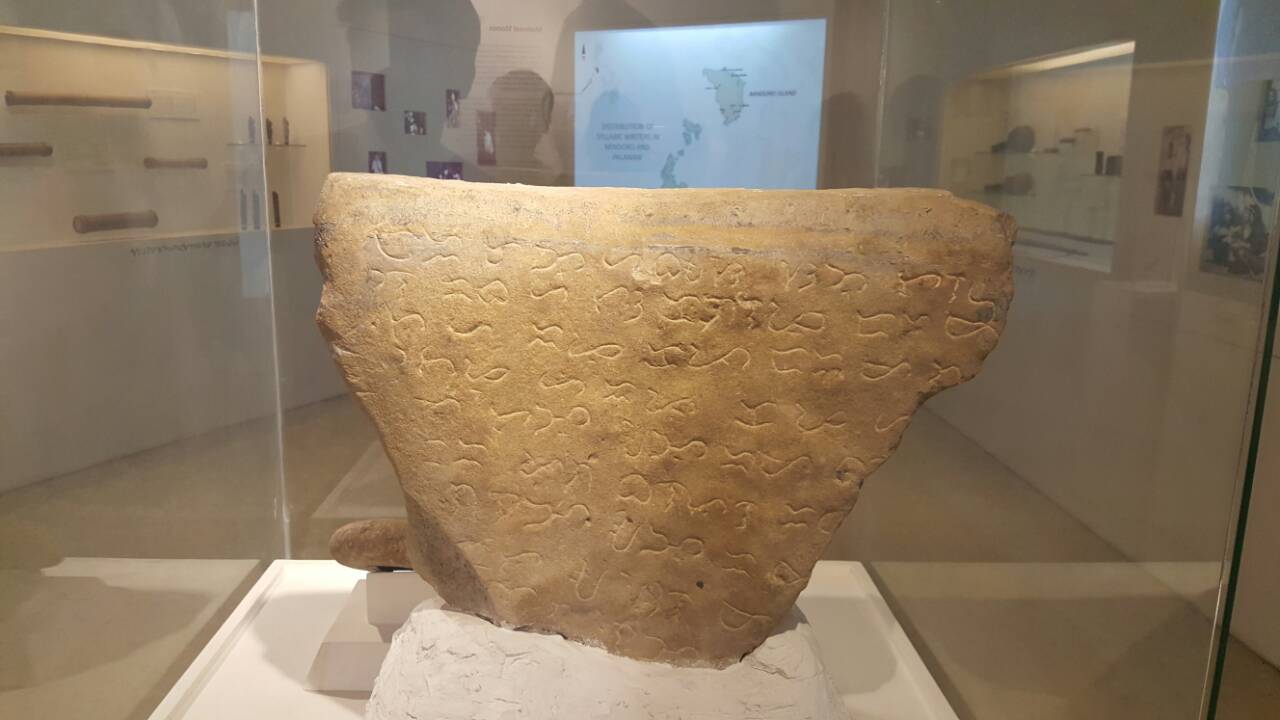
Historic script, living cultural relevance
Renewed interest in Baybayin reflects a wider movement to rediscover indigenous knowledge traditions, strengthen cultural identity, and engage responsibly with the written heritage of the Philippines.
Cultural Memory
Baybayin stands as a visible reminder of pre colonial literacy and local knowledge traditions across the archipelago.
Educational Value
The script offers a meaningful entry point for young learners, teachers, and families exploring Philippine heritage.
Responsible Revival
The Institute encourages informed study and respectful use, grounded in history, language, and scholarship.
Baybayin within a wider script tradition
While Baybayin is among the most widely recognised scripts of the Philippines, it forms part of a broader heritage that reflects the linguistic diversity and cultural richness of the archipelago.
Baybayin
Historically associated with Tagalog speaking communities in Luzon and among the most documented pre colonial Philippine writing systems.
Kulitan
The traditional script of the Kapampangan people, known for its distinctive vertical structure and living cultural importance.
Hanunó’o
A living script used by Hanunó’o Mangyan communities in Mindoro, preserving oral literature and traditional knowledge.
Buhid
Another Mangyan writing system from Mindoro, representing one of the surviving indigenous scripts still in use today.
Tagbanwa
Associated with Palawan, Tagbanwa scripts form part of the historical family of Philippine writing traditions.
Read the full overview
Visit the dedicated page for a broader cultural and educational introduction to these writing systems.
A brief heritage journey
Local scripts in use across parts of the archipelago
Historical accounts and surviving evidence point to the presence of indigenous writing traditions before European colonisation.
Baybayin becomes one of the best known recorded scripts
Colonial era documentation preserved examples that later helped scholars, educators, and cultural advocates study the script.
Renewed public and educational interest
Baybayin is increasingly explored through books, exhibitions, workshops, design, and cultural heritage initiatives.
Building an enduring cultural and educational platform
Research and Documentation
Supporting historical and linguistic study of Baybayin and related Philippine scripts.
Education and Learning Materials
Developing accessible resources for schools, families, educators, and the wider public.
Public Engagement
Encouraging awareness through lectures, workshops, publications, and cultural programmes.
Cultural Collaboration
Working with scholars, artists, institutions, and communities in the Philippines and internationally.
For academic collaboration, cultural partnerships, educational programmes, or media enquiries
Baybayin Institute welcomes thoughtful dialogue and future collaboration.